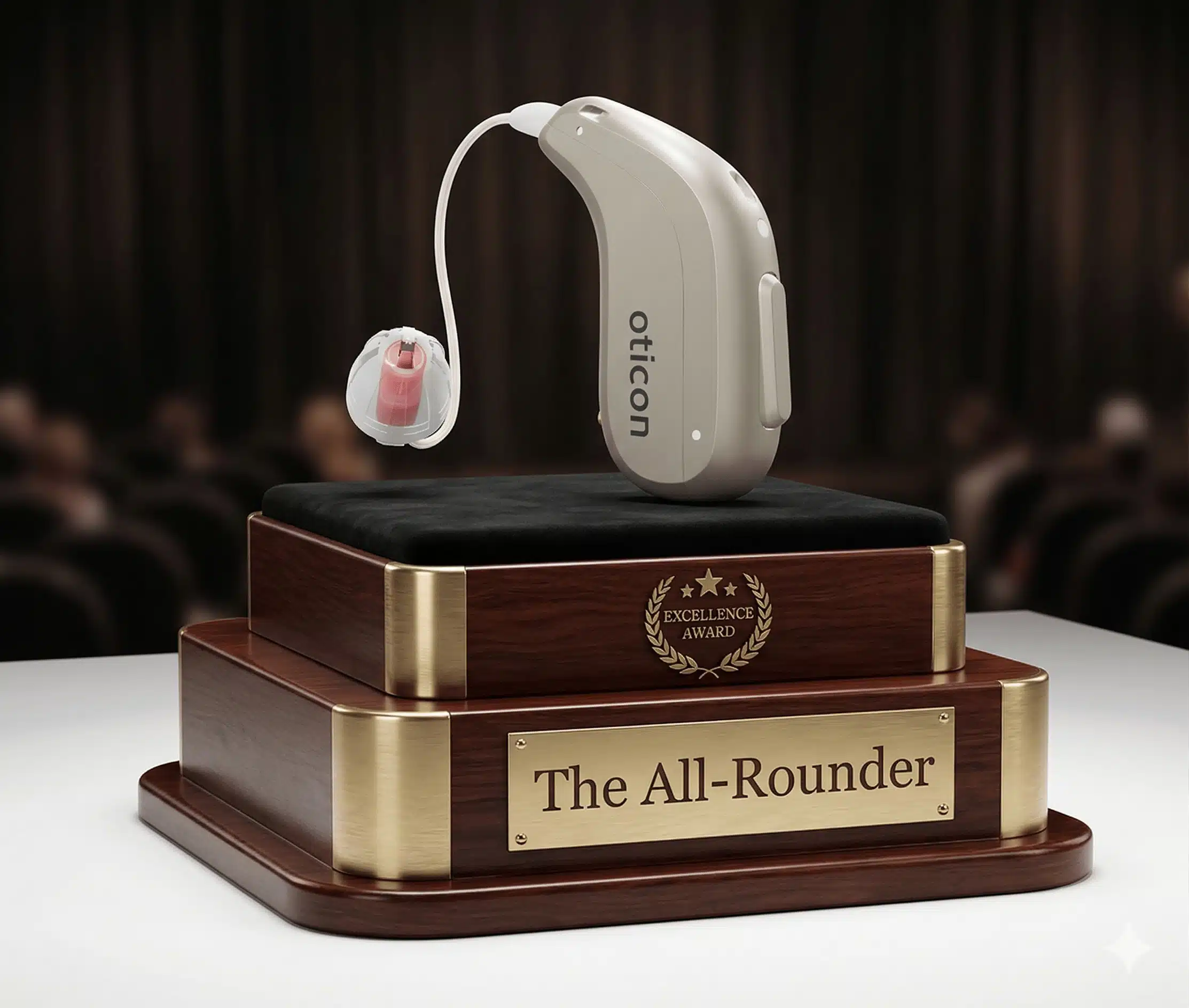



Oticon Zeal Review: The First Truly “No-Compromise” In-Ear Hearing Aid


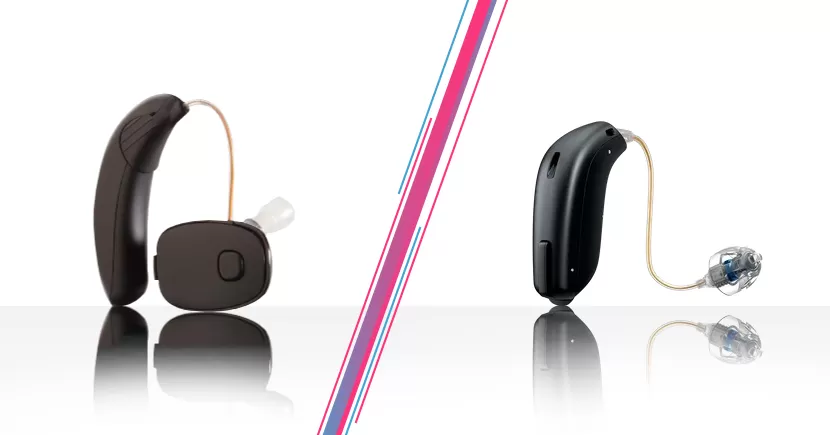
If you look at the current hearing aid market, most choices still force a tradeoff. You can have something that performs really well or something that is very discreet, but rarely both in the same device.
Receiver-in-the-ear (RIC) hearing aids have been the go-to for more than a decade, and for good reason. They’re comfortable, versatile, and packed with features like advanced noise reduction using AI, rechargeability and Bluetooth streaming. That’s why they make up the majority of fittings in modern hearing care. The tradeoff is that there’s still a visible component sitting behind the ear. For some people, that’s perfectly acceptable. For others, it’s the main reason they never move forward.
On the other side of the spectrum are completely-in-the-canal (CIC) and invisible-in-the-canal (IIC) hearing aids. These are the tiny in-ear devices you see in magazine ads and TV commercials. They look great in marketing, but historically they’ve come with compromises: limited (or no) Bluetooth and wireless connectivity, no rechargeability, fewer microphones, higher feedback risk, and a slow custom-fitting process. You get a small appearance, but you usually give up several important things in return.

Oticon Zeal is aimed squarely at that middle ground. It belongs to a new category Oticon calls NXT In-the-Ear—the company’s attempt to take the same core technology from its flagship Intent RIC platform, shrink it into a small in-ear device, and still meet the modern expectations people now have for hearing aids.
Zeal was first released in Denmark, the UK, and Switzerland in late 2025, and then arrived in the United States in early 2026 as production scaled. And for now, it is available exclusively in the premium Zeal 1 technology level, which is Oticon’s top-tier performance offering.
As part of this review, I’ve also been speaking with an audiologist who completed 100 binaural Zeal fittings between June and August 2026. That gives us an unusually useful window into how Zeal is actually behaving in the clinic—not just what Oticon says it should do on paper. I’ll reference some of those observations throughout this review.
Technological/feature overview
The core innovation in Oticon Zeal is how the device is built. Instead of starting with a plastic shell and then squeezing electronics inside, Oticon uses encapsulation technology. The internal components are optimized and positioned first. Then everything is encapsulated in a single solid body with resin.
Imagine making ice with fruit inside. You don’t carve a hole into an ice cube afterward—you place the fruit first, then freeze everything together into one solid block. That’s the idea behind encapsulation.
This approach is already used in medical devices like pacemakers and in demanding environments such as submarines and wind turbines.
In Zeal, it allows Oticon to fit a surprising amount of hardware into a very small space:
- The Sirius hardware platform (the same chip that powers Oticon Intent)
- A fixed receiver that supports hearing losses up to about 75 dB
- A lithium ion rechargeable battery
- A motion sensor for tap controls
- A triple function antenna that also works as a retention arm and pull string
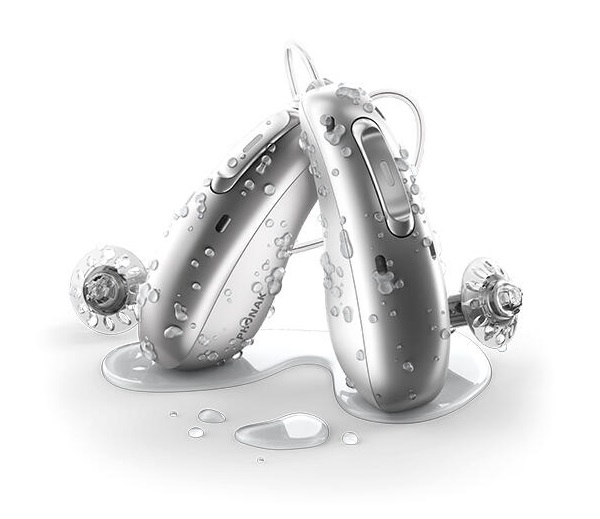
All of this sits inside a compact in the ear module with an IP68 rating for moisture and dust resistance. There is no traditional battery door, which means no risk of battery corrosion and fewer entry points for sweat and humidity. For long term reliability, that is a big advantage over many in the ear models.
On the sound processing side, Zeal runs Oticon’s BrainHearing technology stack, the same audiological foundation as Oticon Intent.
That includes:
- MoreSound Intelligence 3.0, which uses AI to analyze and classify the sound environment
- MoreSound Amplifier 3.0, which provides detailed, adaptive amplification
- MoreSound Optimizer, which proactively manages feedback
The BrainHearing approach is different from older systems that relied heavily on narrow beam directionality. Rather than trying to shut down everything except the person directly in front of you, Zeal tries to keep a full, balanced sound scene available, while giving the brain better access to speech. The goal is to support natural listening instead of forcing a tunnel-like focus.
In terms of fitting range, Zeal is designed for mild-to-moderate hearing losses, and in some cases moderate to moderately severe losses when paired with a custom mold. The receiver is rated up to about 75 dB, which covers a lot of common hearing profiles but not the most severe. For customers with more significant hearing loss, a power behind the ear model like Oticon Xceed, or RIC solution like Oticon Intent will remain a better option.
Rechargeability is handled by the built in lithium ion cell.
On a full charge, Zeal is rated for:
- Up to about 20 hours of use, including roughly 4 hours of streaming
- Quick charge options such as 15 minutes for around 4 hours of use
- Around 2 hours to reach a full charge
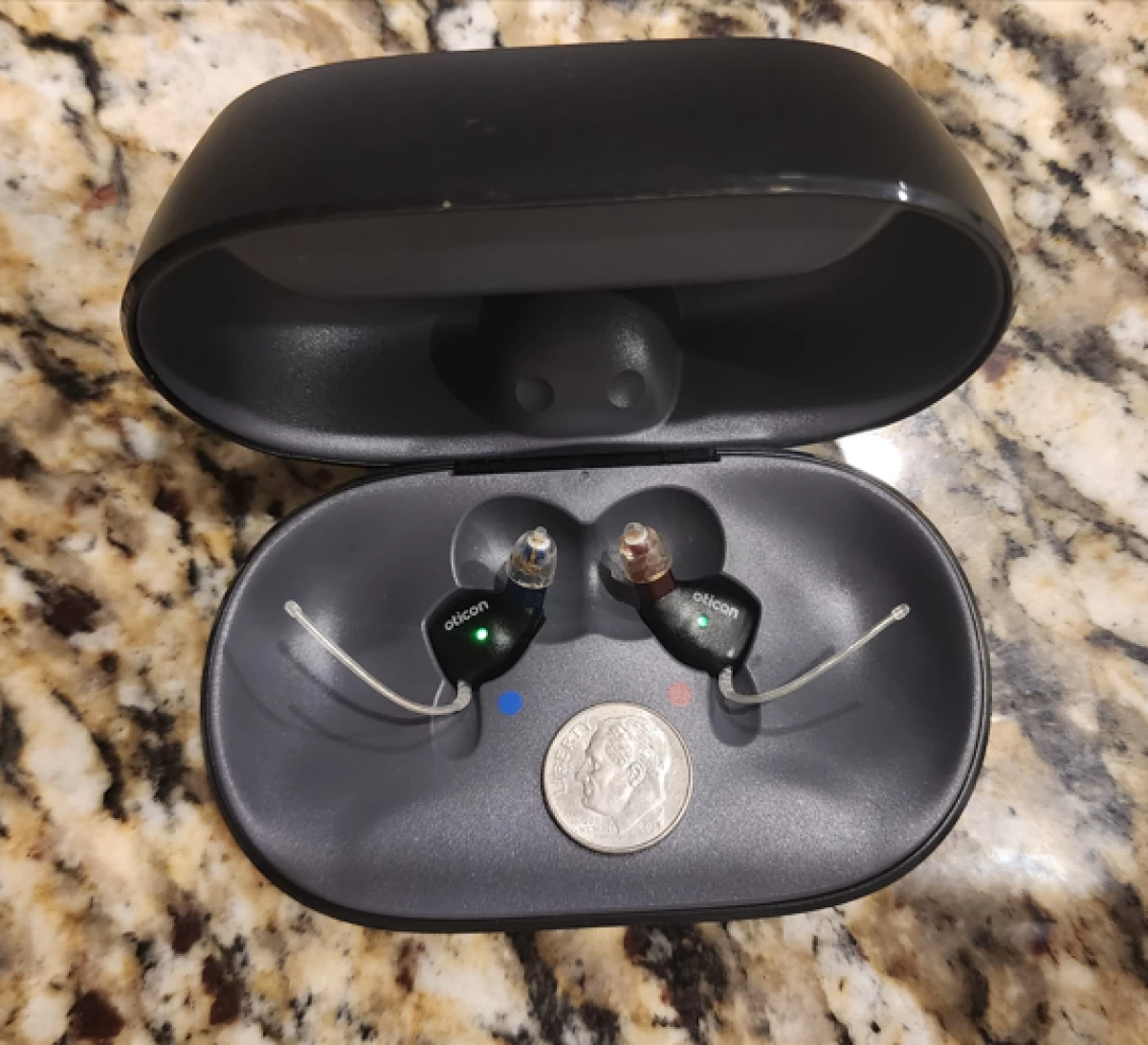
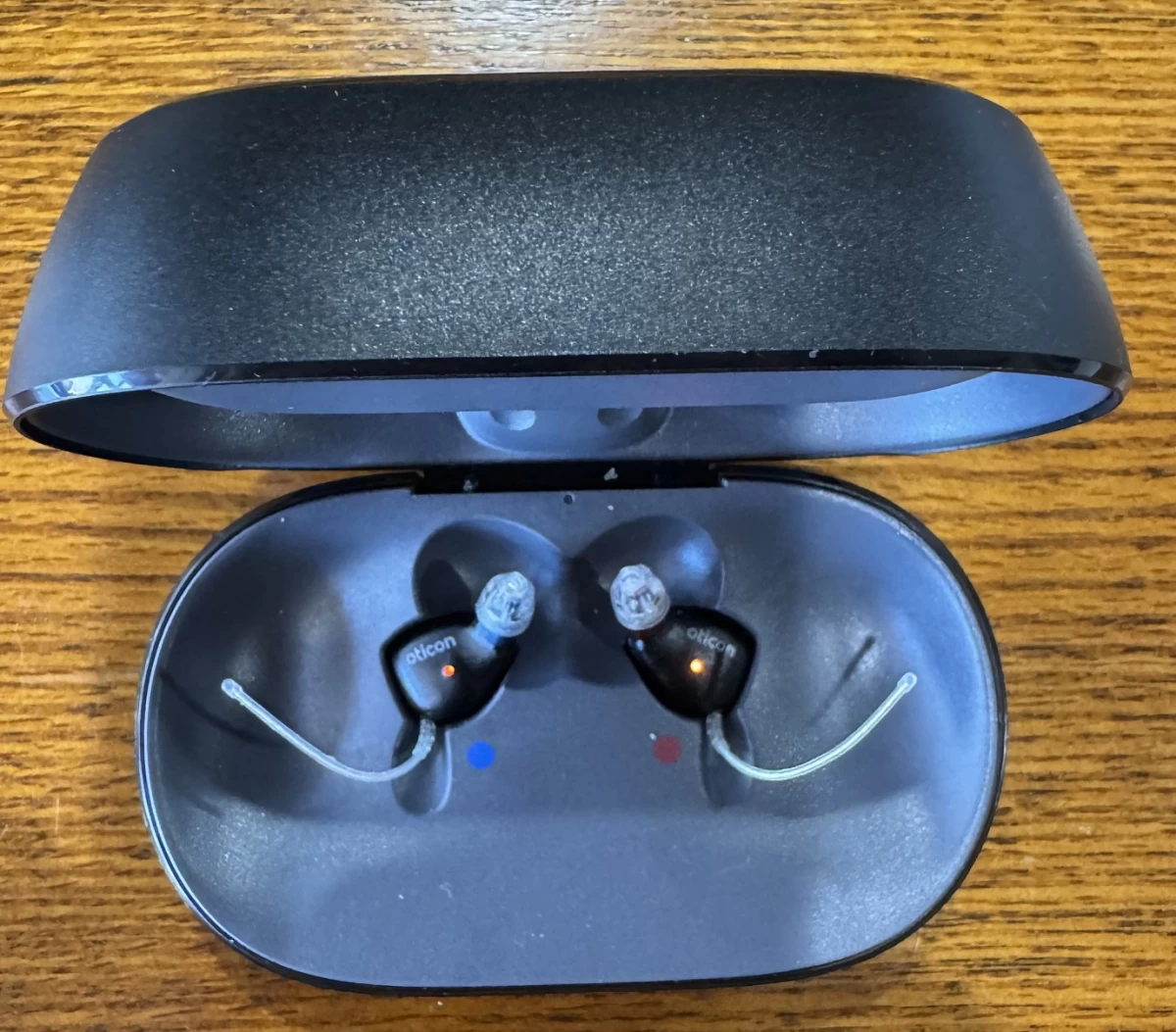
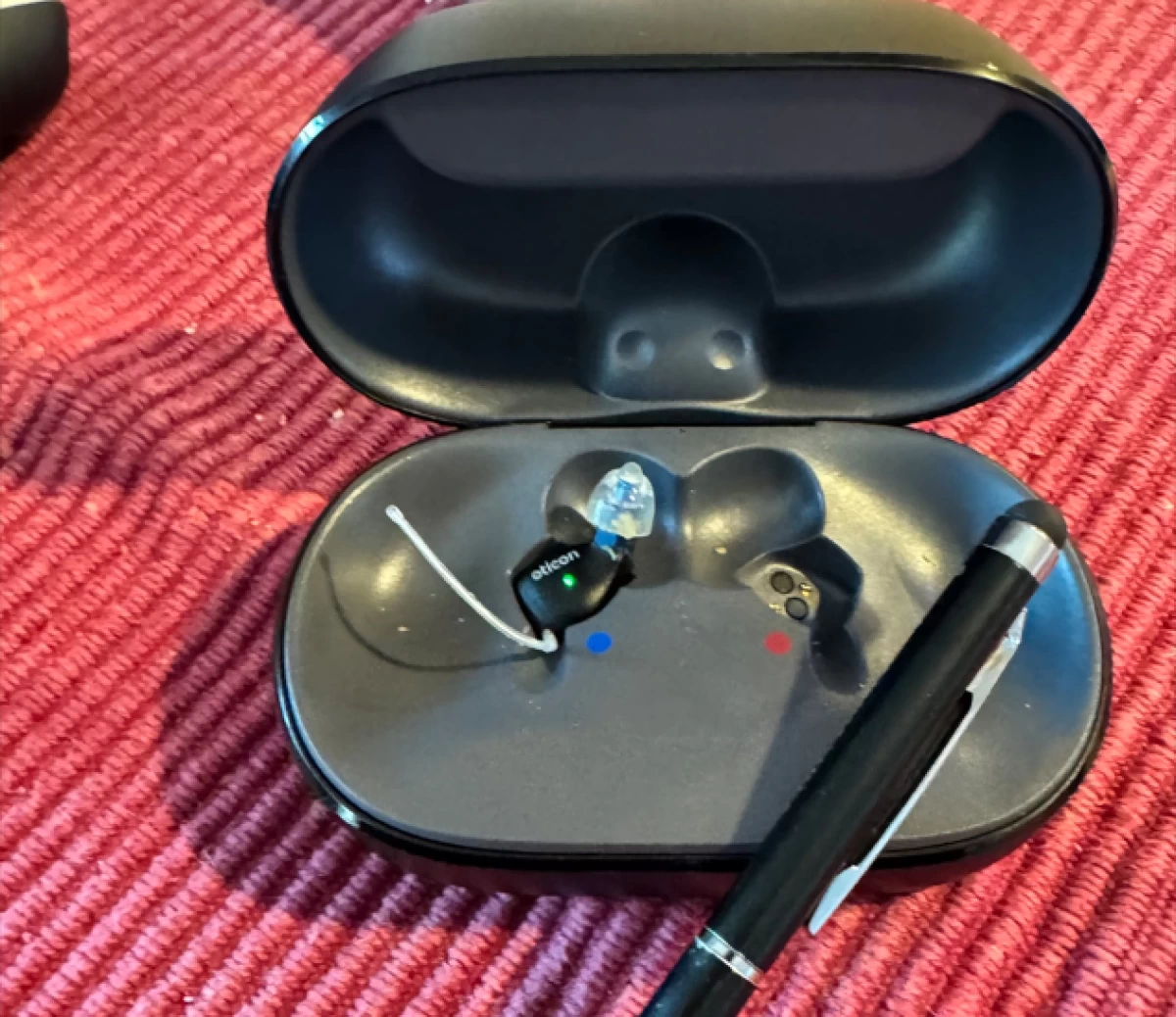
The portable SmartCharger has its own internal battery and can provide several full recharges away from a wall outlet. One limitation to be aware of is that the charger itself is not small. It's size is no problem on a nightstand, but it is not something most people will want in a tight trouser pocket. One minor usability quirk has also come up in real-world fittings. The hearing aids need to sit correctly in the charging wells, and one audiologist we spoke with found that they can occasionally be knocked slightly out of alignment. Their trick is to lower each Zeal into the charger using the removal string/antenna rather than trying to position the body of the hearing aid with your fingers. It sounds like a tiny detail, but these are exactly the kinds of things that become important when you’re handling a device twice a day.

Connectivity is another key part of Zeal’s value proposition. Historically, small in the ear hearing aids have been forced to sacrifice something here. It has been difficult to offer true Bluetooth streaming, app control, and rechargeable power in a device that sits entirely in the ear canal.
Zeal supports:
- Direct streaming from compatible Apple devices (Made for iPhone)
- Streaming from compatible Android phones using ASHA
- Bluetooth LE Audio
- Auracast broadcast audio
- Google Fast Pair on supported Android devices
- Hands free calling with compatible phones
- Control and personalization through the Oticon Companion app
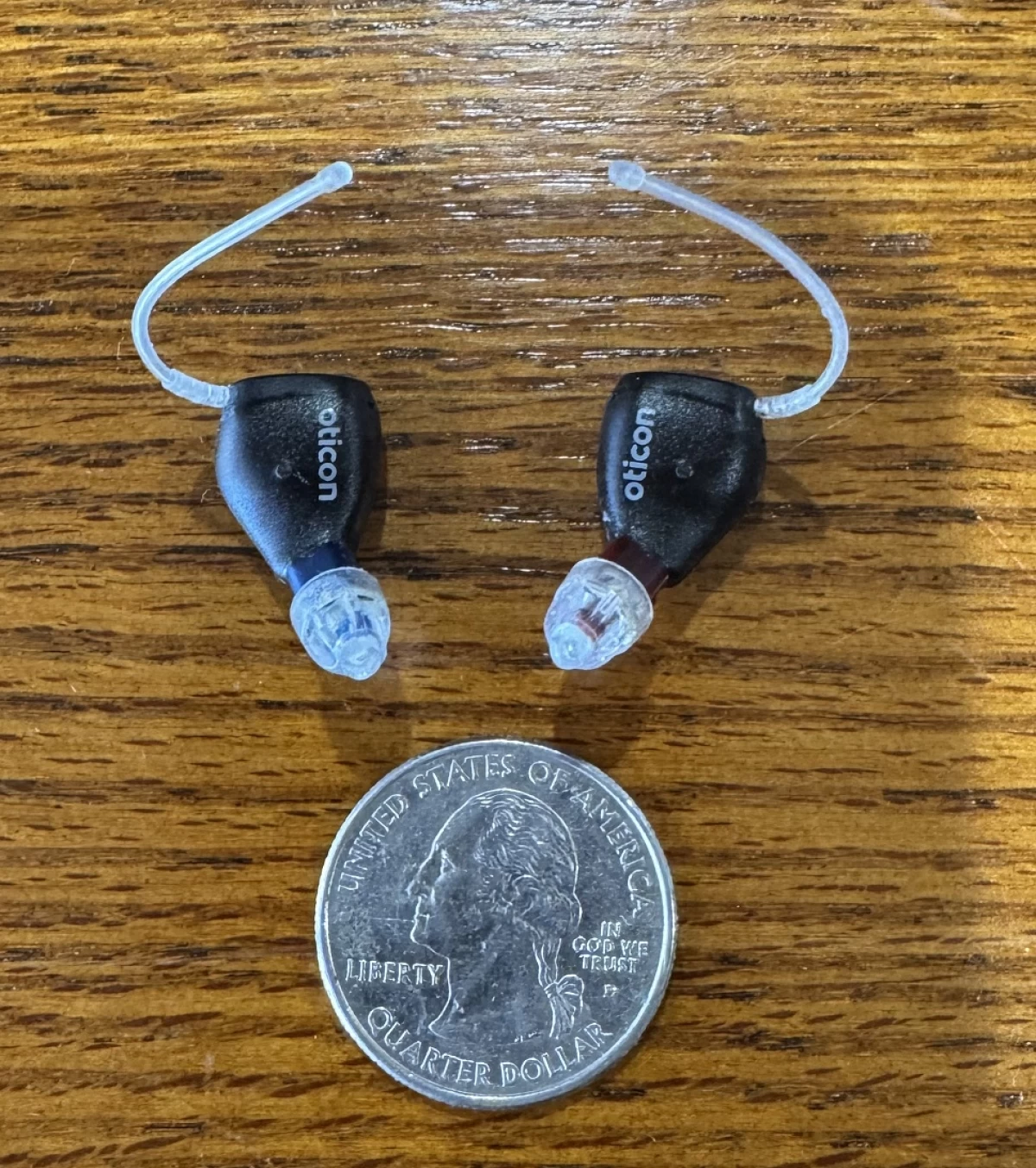
The unique antenna is what makes this possible in such a tiny shell. The removal string and retention filament wrap around the outer ear and act as the wireless antenna. Oticon recommends that at least 50 percent of the antenna touches the skin for best transmission. In testing, this has allowed strong, stable connectivity and Auracast performance at distances that would normally be difficult for a CIC sized device.
There was some early confusion in the market about whether Auracast would be active at launch. That has been clarified. Zeal is designed to be Auracast ready from the beginning. The main limiting factor will be how quickly public venues roll out Auracast transmitters.
Finally, Zeal includes a motion sensor that enables tap controls. Tap control works by detecting the pace and pressure of the double-tap— ideally a quick and firm double tap of on your ear, close to the hearing aid, or on the hearing aid. The tap control can be configured to control volume, change programs, answer and end phone calls, and end an Auracast broadcast. Tap control has to be enabled by your hearing care provider, it is not configured out of the box by default.
In practice, there does appear to be a short learning curve. An audiologist we spoke with said they typically have patients practice the gesture at least five times during the fitting appointment, particularly when Zeal is seated deeply in the ear. Their preferred technique is a firm double-tap directly over the tragus. Once patients get a feel for how much force is required, the control reportedly works very consistently.
How it looks & feels
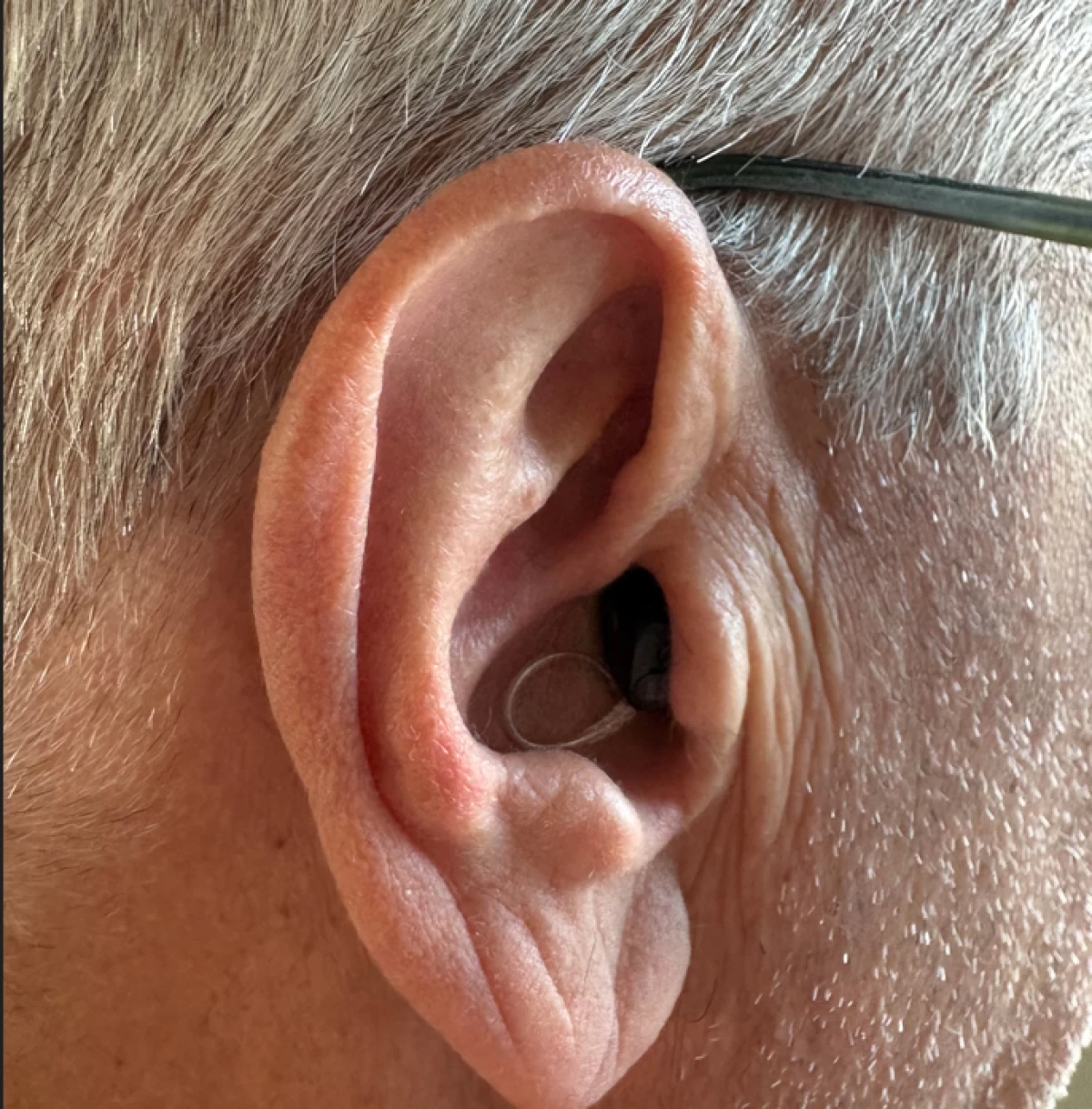
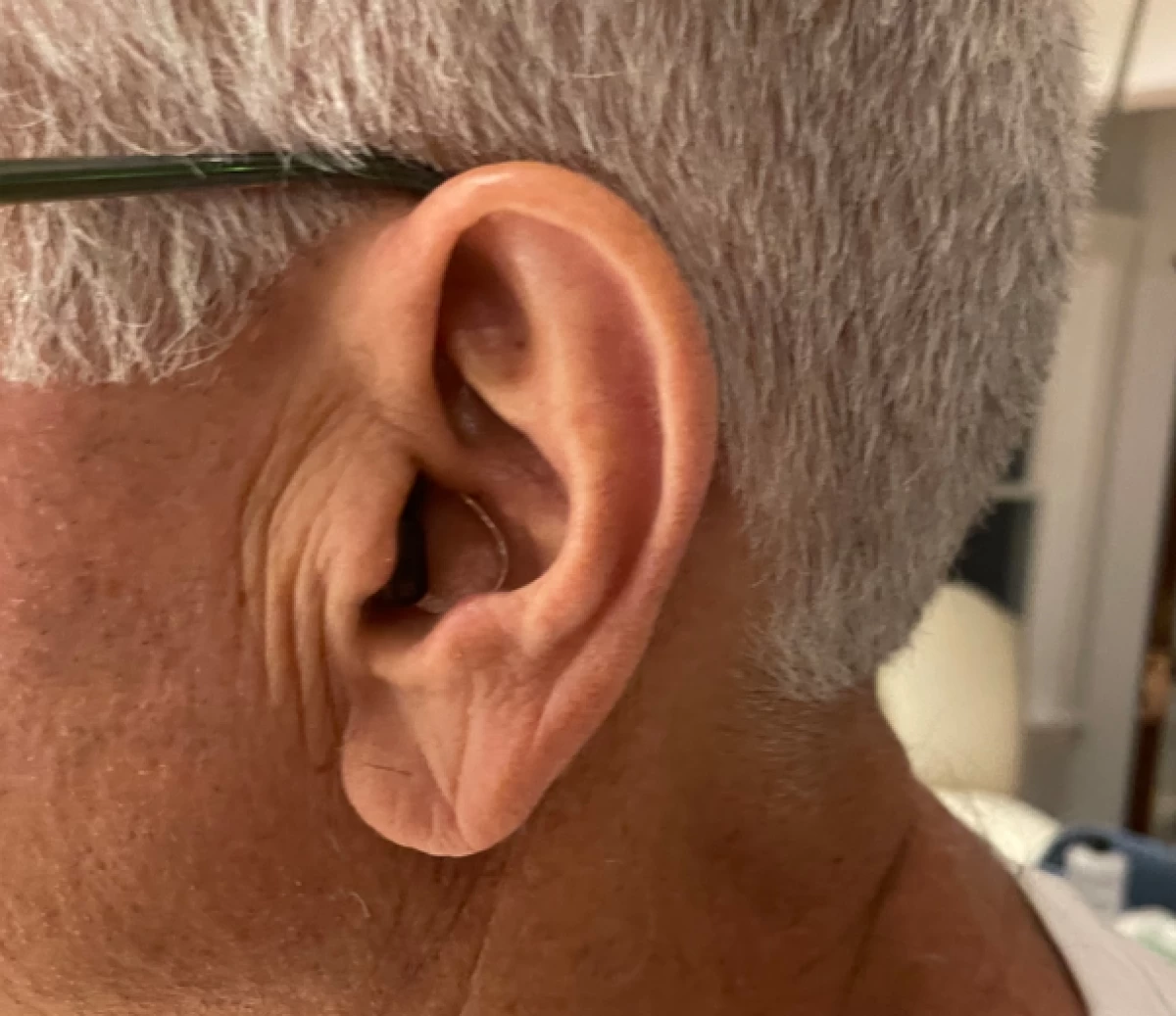
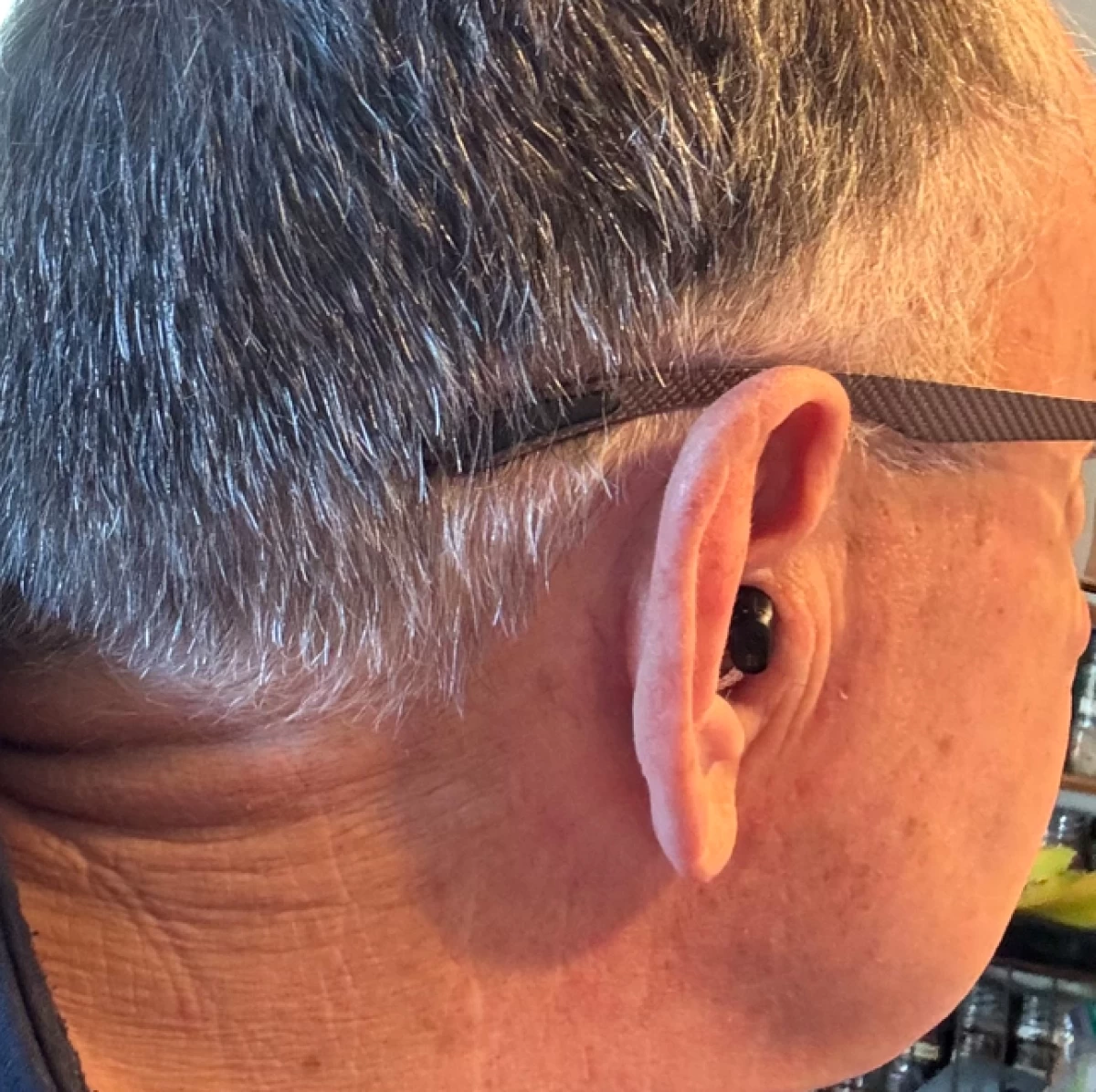
Physically, Zeal is similar in size to other instant fit CIC devices such as the Signia Silk Charge&Go IX. It sits fully in the ear canal and concha, with no hook or housing behind the ear. The angle of the body allows the device to follow the ear canal and position the microphone to take advantage of the natural shape of the outer ear.
From a cosmetic standpoint, Zeal is intended for customers who want as little visible hardware as possible but are not willing to give up Bluetooth, AI sound processing, or rechargeability. It will not be as deep or as invisible as some custom IIC devices for ears that can accommodate those designs, but it offers a much higher feature set than most of those tiny customs.
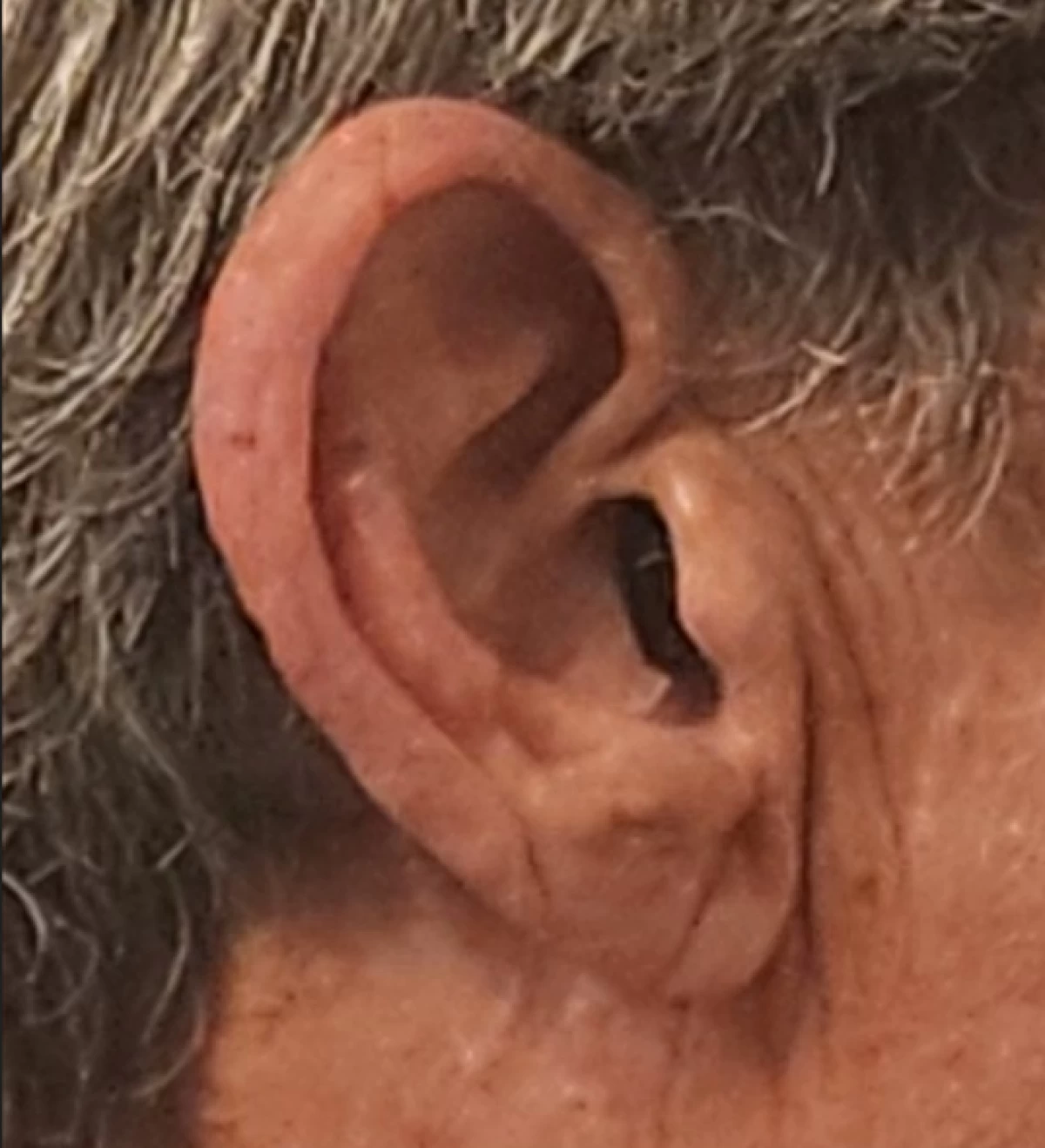
Oticon tested the encapsulated body and antenna on more than 1,500 ears. With standard domes, 94 percent of people in that testing achieved a fit that was either invisible or barely visible. That is an impressive number, but individual anatomy still matters. Some people have narrow, short, or sharply curved ear canals, and on those ears the device may sit slightly closer to the edge of the ear.
One thing that’s worth emphasizing here is that Zeal’s fixed physical angle makes a test fit especially important. According to an audiologist we’ve been speaking with who recently completed 100 binaural Zeal fittings, they routinely recommend physically test fitting Zeal with a demo or dummy device before committing to the fitting. Unlike a RIC, where the receiver wire and dome give you a little more flexibility in how the hearing aid sits, Zeal’s body has to line up properly with the individual shape and angle of the ear canal.
That doesn’t mean Zeal is unusually difficult to fit—Oticon’s own testing suggests it will work cosmetically for the large majority of ears—but it does mean ear anatomy matters. A canal that is particularly narrow, short, or sharply angled can affect how deeply Zeal seats, how comfortable it feels, and even where the microphone ends up relative to the outer ear. In other words, this is one of those hearing aids where I’d put more weight on an actual in-ear test fit than I would on photos or measurements alone.
The antenna is one of the few parts that may be visible. It wraps around the bowl of the ear and serves three purposes at once: Bluetooth antenna, retention arm, and pull string. In medium and larger ears, it tends to tuck into the natural contours of the concha and is not easily noticed at conversational distance. In smaller ears or very shallow bowls, a small portion of the antenna may be visible.

Comfort is similar to other deep fitting in the ear devices. Compared to a RIC with an open dome, a CIC style like Zeal will generally feel more occluding at first. More of the ear canal is filled, which can change how your own voice sounds. Many people adapt within a few days. For those who are more sensitive, different dome styles or custom micromolds can help, but there is always a balance between comfort, occlusion, and the amount of gain that can be delivered without feedback.
Insertion takes a little technique. One audiologist we spoke with recommends keeping the black body of Zeal relatively vertical, placing just the dome or earmold into the canal, and then gently rocking the hearing aid forward and backward until it seats. The key is not to twist it into the ear. In their experience, that rocking motion makes getting a deep, consistent fit much easier. Removal is done by pulling on the antenna string. Compared to a behind the ear device, Zeal has nothing on top of the ear, which is an advantage with glasses, hats, and masks.
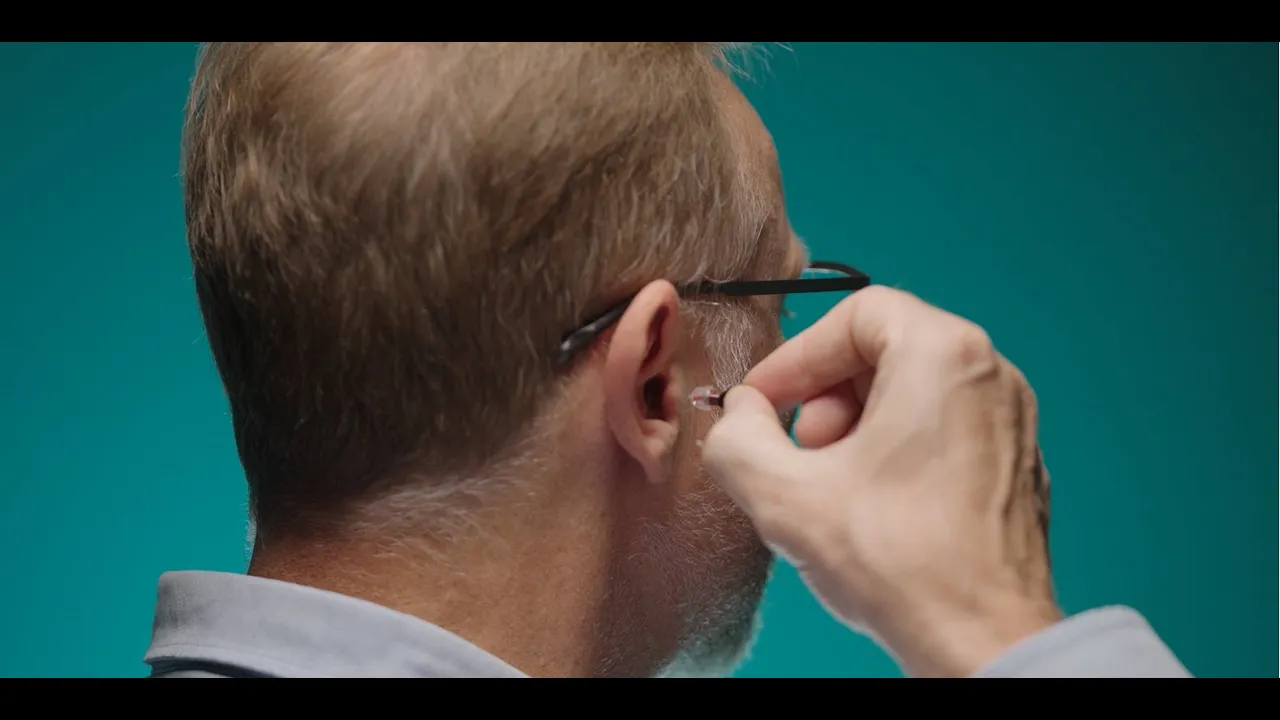
In terms of workflow, Zeal can be fit the same day of your hearing test, using standard domes for a large percentage of people. For those who need more retention or more power, custom micromolds and ototherm molds are available. That means people can often start with an instant fit experience and move to a more personalized tip later if needed.
Pros & Cons
Pros
RIC level platform in an in-the-ear device. Zeal runs on the same Sirius platform and DNN 2.0 BrainHearing engine as Oticon Intent. That means it delivers top tier processing in a small in-ear form factor. Historically, shrinking size has usually meant dropping down a technology level. Zeal is designed to break that pattern.
Full, modern connectivity in a CIC style. Zeal combines Bluetooth LE Audio, Auracast readiness, Made for iPhone, Android ASHA, Google Fast Pair, hands-free calling, and app control in a device that sits entirely in the ear. Competing instant-fit CIC devices often force people to choose between a small size and full connectivity. Zeal aims to provide both.
Rechargeable with realistic all day use. Up to about 20 hours of use, including several hours of streaming, is enough for most daily routines. Quick charge options make it more forgiving if the hearing aids are not charged overnight. The sealed, encapsulated design should also help reduce moisture related failures that sometimes affect traditional custom devices.
Same day fitting with custom options. Zeal fits with standard domes using the miniFit interface, which means many customers can leave their first appointment with full premium technology already in their ears. For those who need more retention, more power, or a better seal, custom micromolds and other molds are available. This flexibility suits both first time users who want an easy start and experienced users who know they prefer custom tips.
Strong durability and moisture resistance. The encapsulated body, IP68 rating, and lack of a mechanical battery door create a robust package for everyday use. That is important for people with active lifestyles, those who live in humid climates, or anyone who has struggled with moisture problems in previous in the ear models.
Cons
Only one premium technology level. Zeal is currently offered in a single top technology tier. There is no scaled down version for people who do not need every feature or who want to manage cost. That simplifies the lineup but limits flexibility for budgets.
Limited power range for more severe hearing loss. With a receiver rated up to roughly 75 dB, Zeal is focused on mild-to-moderate hearing losses and some moderate to moderately severe configurations. People with more significant hearing loss will still be better served by power RICs or BTEs that can deliver more output and use larger earmolds.
Instant-fit CIC form factor is not for everyone. In real world use, instant-fit CIC devices such as Signia Silk have shown higher return rates compared to RICs. Common issues include comfort, occlusion, retention, and handling. Zeal improves the feature set, but it does not change ear anatomy. Some people will love this style, but it will not be universally successful.
Antenna visibility for some ear shapes. The triple function antenna is an elegant engineering solution, but it is still visible in some ears. For most users, it will be barely noticeable. For a smaller group who want absolutely nothing visible, even a small filament in the concha may feel like too much.
Conclusion
Oticon Zeal represents a significant step in the evolution of in-the-ear hearing aids. Not because it introduces a brand new piece of technology that has never existed before, but because it combines several mature technologies in a way that has not been available in this form factor.
You get a small in the ear device built on the same flagship platform as a leading RIC, with second generation AI sound processing, strong noise management, full modern connectivity, rechargeability, and flexible fitting options. All of that is wrapped in an encapsulated, moisture resistant shell that is designed to be invisible or barely visible for most ears.
From a broader market perspective, Oticon is using Zeal to fill a gap in its own lineup and to challenge competitors in a category where it has historically been underrepresented. It also looks like a strategic move toward customers who might otherwise consider over the counter devices or earbud like solutions, but who actually need a full featured medical grade hearing aid.
For the right person, Zeal will be very compelling. That person has mild to moderate hearing loss, strongly prefers an in-the-ear style, wants Bluetooth streaming and Auracast, cares about rechargeability, and is willing to follow a charging routine and learn tap controls. For that customer, Zeal offers a level of completeness that instant-fit CICs have not provided before.
For others, more traditional styles will still make more sense. People with more severe hearing loss, those who want simpler handling with visible hardware, or those who are especially price sensitive may be better served by RICs or power BTEs. Those styles remain extremely effective, widely available, and easier to configure across a broader range of hearing profiles.
As Zeal rolls out more broadly, real world experience and objective lab data will tell the rest of the story. The key questions will be how customers rate comfort, retention, and sound quality compared to RICs, and how often people keep Zeal versus returning it, especially when compared to devices like Signia Silk Charge&Go IX.
When those numbers and HearAdvisor scores are available, this review will be updated with concrete performance data. For now, the most accurate way to describe Oticon Zeal is this: It is an ambitious attempt to deliver a truly complete, modern hearing aid in an in-the-ear shell, for people who have been waiting for a solution that does not force them to choose between appearance and performance.







![Preview for the "Phonak Hearing Aid Models & Prices [2026 Version]" video](https://cdn.ziphearing.com/dist/dynamic/files/videos/365/thumbnail/version/1/1200/thumbnail.avif "Phonak Hearing Aid Models & Prices [2026 Version]")

![Preview for the "Oticon Hearing Aids Models and Prices [2026 Version]" video](https://cdn.ziphearing.com/dist/dynamic/files/videos/400/thumbnail/version/1/1200/thumbnail.avif "Oticon Hearing Aids Models and Prices [2026 Version]")